
"Qiu Zhu hand"
41500 article(s) found

Is Yunnan small grain coffee delicious _ Yunnan small grain coffee origin _ Jippin coffee is this brand good?
Professional coffee knowledge exchange more coffee bean information please follow the coffee workshop (Wechat official account cafe_style) Yunnan Jiepin Coffee Company was established in January 2004. Is a coffee monopoly, with decades of coffee business history, long-term engaged in coffee border trade and domestic trade; has a greater advantage in coffee raw materials, operating a series of coffee products-raw materials are: Yunnan small grain coffee

Coffee brewing suggestion of Gable Manor in Tara Zhu, Costa Rica _ description of Coffee Bean Flavor of Gable Manor
Professional coffee knowledge exchange more coffee bean information please follow the coffee workshop (Wechat official account cafe_style) Costa Rica Coffee Gable Manor Black Honey processing Spectrum: longan Sweet Honey fragrance smooth mellow Origin: Costa Rican Coffee Tara Pearl Gabor Manor Diamond Hill processing Plant characteristics: Costa Rica is the birthplace of honey treatment, but high difficulty and high quality

Introduction to the characteristics of Coffee Honey treatment in Carmen Manor, Panama description of Panamanian Rosa Coffee Bean hand-made Flavor
Professional coffee knowledge exchange more coffee bean information please pay attention to the coffee workshop (Wechat official account cafe_style) Carmen Manor Coffee is a family-based coffee estate, the family has long been to provide high-quality coffee and the principle of environmental protection to grow coffee. 1950 Efra

MuMu CoCo
Coffee grounds, regarded as garbage, have now become fashionable and environmentally friendly products favored by some NGOs, foreign companies and street communities in Shanghai. It is mainly made from recycled coffee grounds and other natural ingredients and can grow mushrooms. If it was simple, how could it attract such attention? Its birth, its planned life journey, and its assigned meaning are all interesting and extraordinary. Mushrooms on coffee grounds

Cultivation of small Coffee in Yunnan
Small-grain coffee is suitable for living in mountains with an altitude of 800 to 1800 meters. If the altitude is too high, it will taste sour, and if it is too low, it will taste bitter. Small grains of coffee are mostly planted in dry and hot valleys at an altitude of 1100 meters above sea level, so they are moderately sour, rich and mellow.
Knowledge about Yunnan small grain coffee
Small-grain coffee is suitable for living in mountains with an altitude of 800 to 1800 meters. If the altitude is too high, it will taste sour, and if it is too low, it will taste bitter. Small grains of coffee are mostly planted in dry and hot valleys at an altitude of 1100 meters above sea level, so they are moderately sour, rich and mellow.
Yunnan small grain coffee
Origin: in 1892, French missionary Father Tian succeeded in growing coffee in a place called Zhukula in Yunnan. Up to now, there are still 24 coffee trees which are more than 90 years old in Zhukula Township. Zhu Kula is a mysterious, legendary and beautiful natural village, which belongs to the Zhukula Village Committee of Pingchuan Town, Binchuan County, Dali Prefecture. It is located on the banks of Yupao River, a tributary of the Jinsha River. It is a Dali Prefecture and Chuxiong.
Basic culture of boutique coffee Shanghai coffee culture
Coffee is an imported product. In the early years, coffee was translated into a variety of names, and even fattened. With the opening of Shanghai, coffee sprang up in the concession. Many fashionable Shanghainese also go to taste fresh, often complaining bitterness and shouting that it tastes as bad as cough potion. However, with the popularity of western food in Shanghai, coffee is gradually accepted by most people. By Zhu Wenbing.
Coffee beans Yunnan Arabica coffee
Origin: In 1892, French missionary Father Tian tried to plant coffee successfully in a place called Zhu Kula in Yunnan Province. Up to now, there are still 24 coffee trees growing in Zhukula Township, which are more than 90 years old. Zhukula is a mysterious, legendary and beautiful natural village. It belongs to Zhukula Village Committee of Pingchuan Town, Binchuan County, Dali Prefecture. It is located on the bank of Yupao River, a tributary of Jinsha River. This is a Dali Prefecture and Chuxiong County.
China's Fine Coffee Culture Shanghai Coffee Culture
Coffee is an imported product. In the early years, coffee was translated into a variety of names, and even fattened. With the opening of Shanghai, coffee sprang up in the concession. Many fashionable Shanghainese also go to taste fresh, often complaining bitterness and shouting that it tastes as bad as cough potion. However, with the popularity of western food in Shanghai, coffee is gradually accepted by most people. By Zhu Wenbing.

The Origin of Yunnan small Coffee
Origin: in 1892, French missionary Father Tian succeeded in growing coffee in a place called Zhukula in Yunnan. Up to now, there are still 24 coffee trees which are more than 90 years old in Zhukula Township. Zhu Kula is a mysterious, legendary and beautiful natural village, which belongs to the Zhukula Village Committee of Pingchuan Town, Binchuan County, Dali Prefecture. It is located on the banks of Yupao River, a tributary of the Jinsha River. It is a Dali Prefecture and Chuxiong.

Main components of Yunnan small Coffee Fruit
Origin: in 1892, French missionary Father Tian succeeded in growing coffee in a place called Zhukula in Yunnan. Up to now, there are still 24 coffee trees which are more than 90 years old in Zhukula Township. Zhu Kula is a mysterious, legendary and beautiful natural village, which belongs to the Zhukula Village Committee of Pingchuan Town, Binchuan County, Dali Prefecture. It is located on the banks of Yupao River, a tributary of the Jinsha River. It is a Dali Prefecture and Chuxiong.

History of Coffee Culture in China Shanghai Coffee Culture
Coffee is imported, early coffee translation of a variety of, and even knock fat translation. With the opening of Shanghai, coffee rose in the concession. Many fashionable Shanghainese also go to taste fresh, drink often complain incessantly, shouting did not expect to drink as hard as cough syrup. However, slowly with the popularity of Western food in Shanghai, coffee is gradually accepted by most people. Zhu Wenbing's "
General knowledge of fine coffee detailed explanation of Yunnan small grain coffee
Origin: in 1892, French missionary Father Tian succeeded in growing coffee in a place called Zhukula in Yunnan. Up to now, there are still 24 coffee trees which are more than 90 years old in Zhukula Township. Zhu Kula is a mysterious, legendary and beautiful natural village, which belongs to the Zhukula Village Committee of Pingchuan Town, Binchuan County, Dali Prefecture. It is located on the banks of Yupao River, a tributary of the Jinsha River. It is a Dali Prefecture and Chuxiong.

Coffee Culture in Shanghai the Development of Coffee Culture in China
Coffee is an imported product. In the early years, coffee was translated into a variety of names, and even fattened. With the opening of Shanghai, coffee sprang up in the concession. Many fashionable Shanghainese also go to taste fresh, often complaining bitterness and shouting that it tastes as bad as cough potion. However, with the popularity of western food in Shanghai, coffee is gradually accepted by most people. By Zhu Wenbing.

The use of coffee grounds for growing mushrooms on coffee grounds
Coffee grounds, which are regarded as rubbish, have become fashionable and environmentally friendly products favored by some NGO, foreign enterprises and neighborhoods in Shanghai. It is mainly made of recycled coffee grounds and other natural ingredients and can grow mushrooms. If it is only this simple, how can it attract such grand attention? Its birth, its designed journey of life, and the meaning it has been given are all interesting and extraordinary. Grow mushrooms on coffee grounds

Maxwell insists that it is difficult for a single product to turn around and the countdown to factory closure in China has entered.
Shutting down to reduce fixed costs No. 3 Jiaoyuan Road, Guangzhou is Maxwell's only production plant in China. Now there is no longer the original hustle and bustle, and it is difficult to find the original international coffee giant. In July 2015, the owner of the factory just changed from Mondelez International to Guangzhou Zhenyin Coffee Co., Ltd. Although Maxwell used to be one of the four largest coffee manufacturers in the world, it was last year
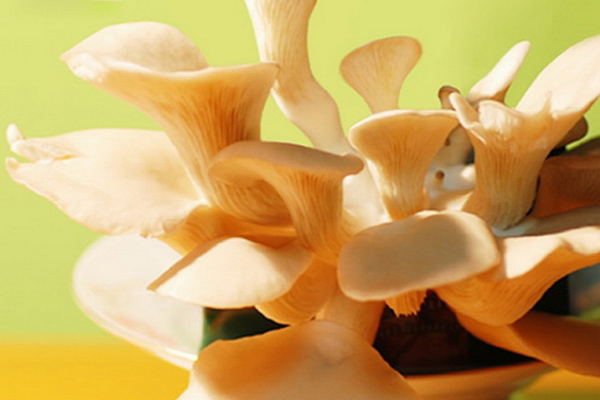
Let coffee grounds put "environmentally friendly" wings and grow mushrooms on coffee grounds.
Coffee grounds, which are regarded as rubbish, have become fashionable and environmentally friendly products favored by some NGO, foreign enterprises and neighborhoods in Shanghai. It is mainly made of recycled coffee grounds and other natural ingredients and can grow mushrooms. If it is only this simple, how can it attract such grand attention? Its birth, its designed journey of life, and the meaning it has been given are all interesting and extraordinary. Grow mushrooms on coffee grounds

Cautious Development of boutique Coffee Market Pacific Coffee Brand Brew Bar debuts in Shenzhen
Professional coffee knowledge exchange more coffee bean information please follow the coffee workshop (Wechat official account cafe_style) recently, Pacific Coffee's new boutique coffee space Brew Bar was officially unveiled in Vientiane City, Shenzhen Bay. The brand is also its debut in Shenzhen after the Beijing International Trade Store. As a boutique cafe, the overall design of Brew Bar Shenzhen Bay Vientiane City store

The Development and Origin of Yunnan small Grain Coffee
Although Zhu Kula is poor and backward, it has an inextricable bond with coffee. In addition to growing coffee all over the country, the villagers all have a tradition of drinking coffee: self-growing, self-grinding and self-brewing, and now men, women and children in the village have the habit of drinking coffee. The villagers here have a special feeling for coffee trees, even if the coffee beans do not bring them any economic benefits.